
The Four C’s, According to a Diva and a Semi-Toothless Survivor
When I was asked to write a blog post on the theme of Aysnd pets, I said “Yep, on it” without any follow-up questions.
It wasn’t a hard sell—if you know me, you know that I’m obsessed with my cats. Most cat owners are, after all. (It might be the toxoplasmosis.) But what can we learn from them?
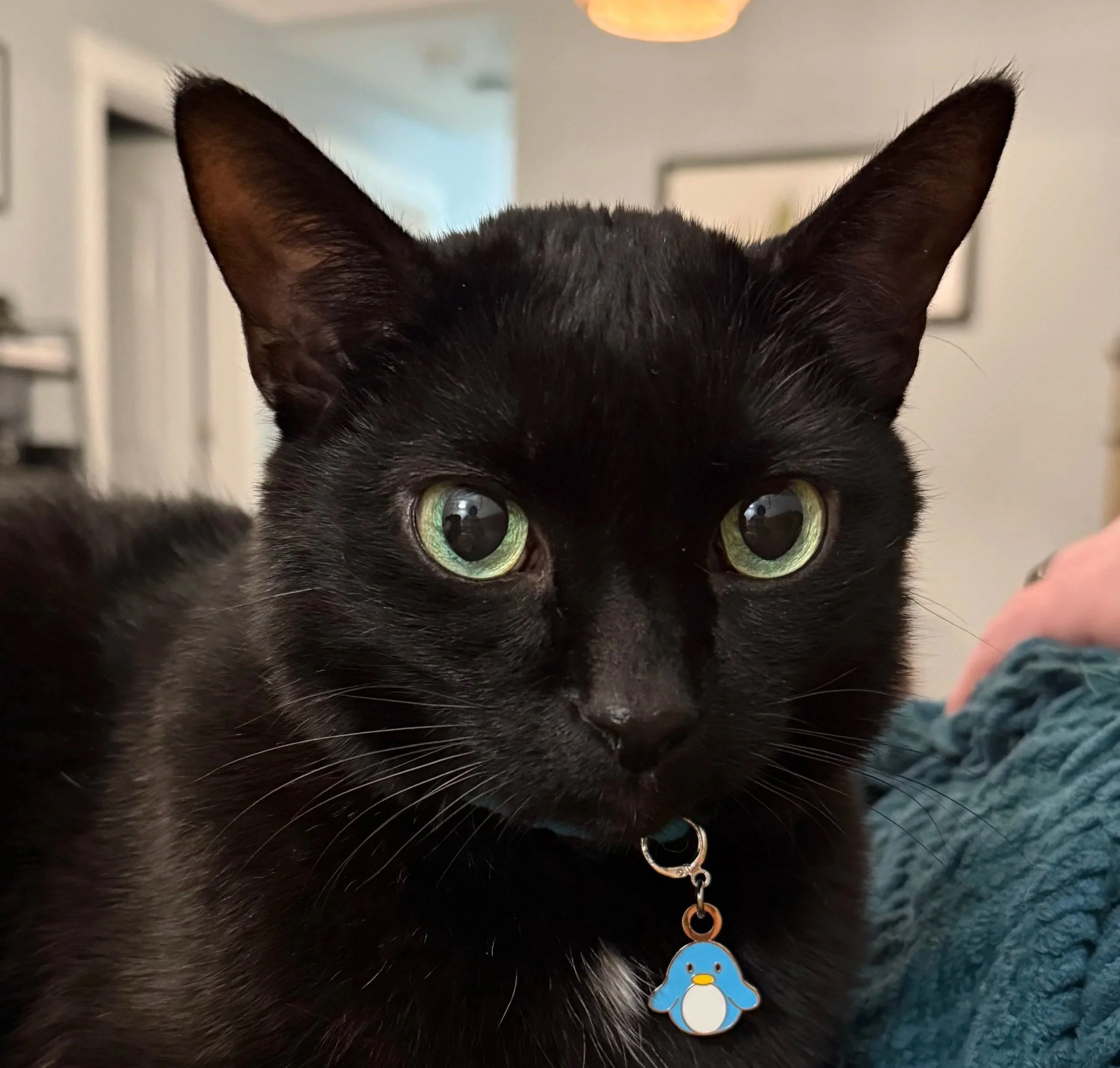
Before we dive in, let me introduce you to the felines of the hour: Pixel (black with a white dot on her chest) and Roscoe (brown tabby).
Pixel is a certified diva whom we adopted when she was a tiny baby, and she identifies as a baby to this day at age 12. She thrives on attention—good or bad—and refuses to accept that anyone might have plans that don’t revolve around her.
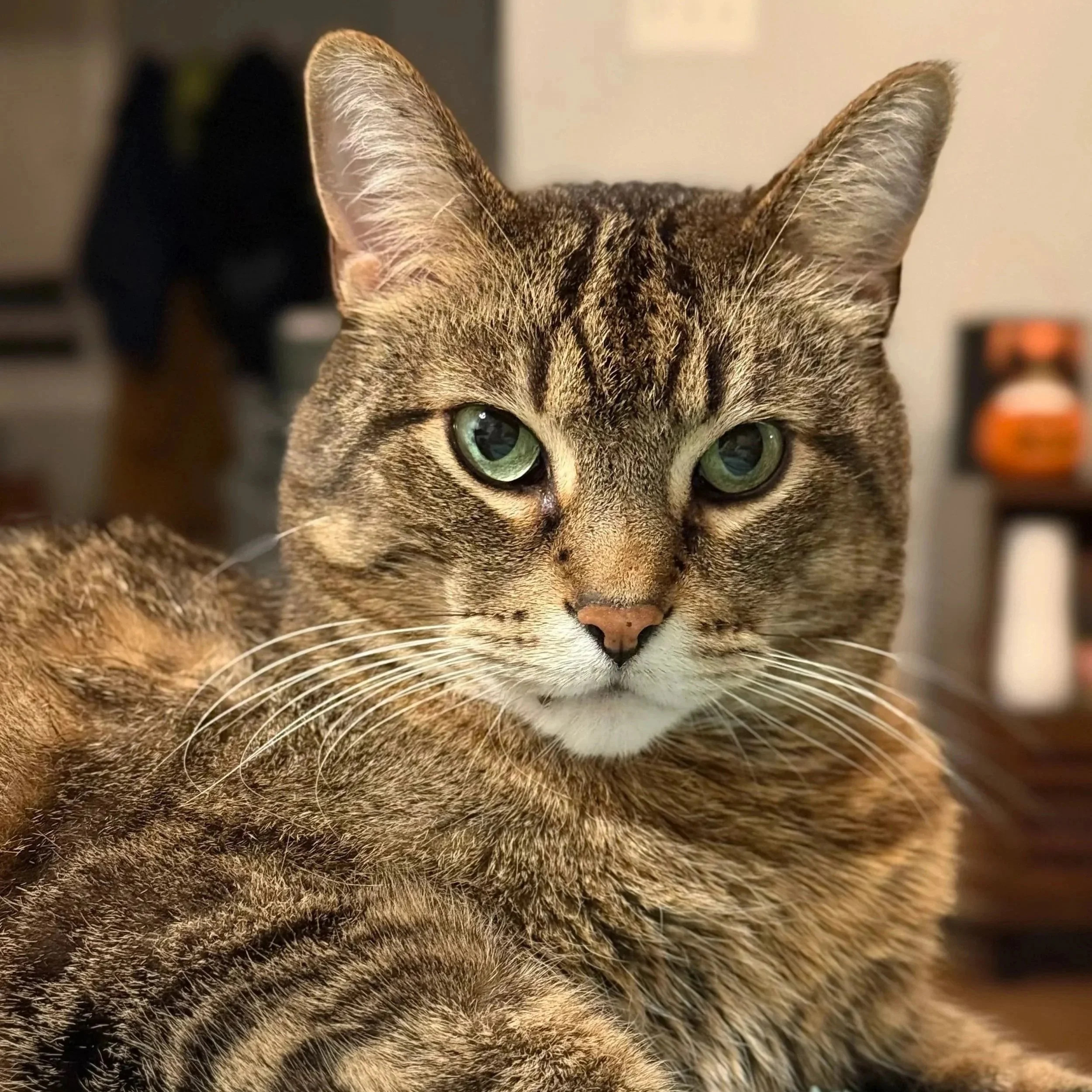
Roscoe, on the other hand, was picked up by the shelter as an injured alley cat from the mean streets of Chicago. We adopted him when he was approximately a year and a half old and have saved his life through several health crises.
As a result, it’s as if he knows he owes us a life debt and acts accordingly. He’s just an easy-going, semi-toothless, FIV+, asthmatic dude whose affection is limitless.
I learn a lot of life lessons from these two every day, and it’s surprisingly easy to see those lessons in my work life and Aysnd’s company values.
1. Creativity: Keep it interesting.
Pixel is a mischief-maker. We often see her walking around the house with a very specific look in her eye that means she’s actively looking for trouble. It might be knocking down a shelf full of books at 4 a.m., jumping on top of the fridge and screaming into the void, or simply standing directly in front of the TV so we’ll watch her instead.
While this behavior drives me absolutely bonkers, I know she’s just trying to make her little housecat life more entertaining. Routine at work is important, but we also have to shake things up to make sure we’re always learning, growing, and exercising our right to curiosity for ourselves and our clients. If things are feeling stagnant, it’s probably time to examine where you can push the work further, ask better questions, or explore some new solutions.
2. Consciousness: Work emergencies aren’t real.
I’ve always subscribed to the belief that there are no actual emergencies in this line of work—even though everything can sometimes feel life-or-death. Roscoe has reinforced this perspective more than once by having real, actual health emergencies.
A couple of years ago, he was erroneously diagnosed with terminal lung cancer. We spent the next 24 hours grieving before receiving his real diagnosis: a rare, but curable, fungal infection. That kind of emotional whiplash has a way of putting things into perspective. Suddenly, an “urgent” design tweak feels a lot less dire.
It’s a good reminder to make thoughtful decisions, communicate clearly, and keep the bigger picture in mind, especially when everything feels urgent. Slowing down and evaluating priorities doesn’t mean caring less; it means being more intentional about where your energy will make the most impact.
3. Cultivation: Enjoy the little things.
When Pixel’s happy, she purrs at a decibel level that could break Guinness records. And that purr might be triggered by seeing a leaf float by the window or gobbling down a scrap of cheese. Roscoe finds his bliss in stretching out in a warm sunbeam or intently watching birds in the window.
Seeing them delight in these little pleasures encourages me to do the same, even at work. I relish figuring out an elegant solution to a nagging UX problem or a turning a chaotic Figma file into a well-oiled design system. It’s important to celebrate our wins, progress, and growth and understand that good work compounds over time.
4. Collaboration: Teamwork makes better work.
We had Pixel for about 6 years before we adopted Roscoe, and their introduction was…rocky, to say the least. Years later, they’ve formed what we call an uneasy alliance. They coexist peacefully most of the time, but they still have the occasional wrestling match complete with fur flying, growling, and hissing. Their personalities and communication styles couldn’t be more different, which is why it’s especially rewarding to see them working together.
The house is always more peaceful when they’re getting along, and when it’s working, it’s easy to take that harmony for granted. It reminds me to appreciate strong collaborations with coworkers and clients alike, because it’s cliché but true: we really are better together.
I don’t think pets teach us how to work better because they have some sort of preternatural wisdom. They just act as mirrors for our own values and priorities. When we stay curious, act intentionally, make space for growth, and show up for one another, both the house and the work tend to function a little better.
What work lessons have you learned from your own pets?




The four C's our cats live by are the same ones we bring to every client. Looking for a digital partner who works this way? Let's build something great together.